Book Appointment Now

How to recover from post-concussion syndrome?
Learn how to recover from post concussion syndrome with guided rest, physiotherapy, symptom management, and a gradual return to daily activities.
- On
- Inblog
Recovering from post-concussion syndrome (PCS) isn’t a sprint—it’s more like a marathon, requiring patience, steady progress, and plenty of self-care.
Some folks start feeling better sooner, while others find that symptoms hang around for weeks or even months.
The good news is, learning how the brain heals after a concussion, picking up trusted post-concussion recovery tips, and finding the treatment approach that fits can make this journey a whole lot easier—and a little less intimidating.
What Is Post-Concussion Syndrome?
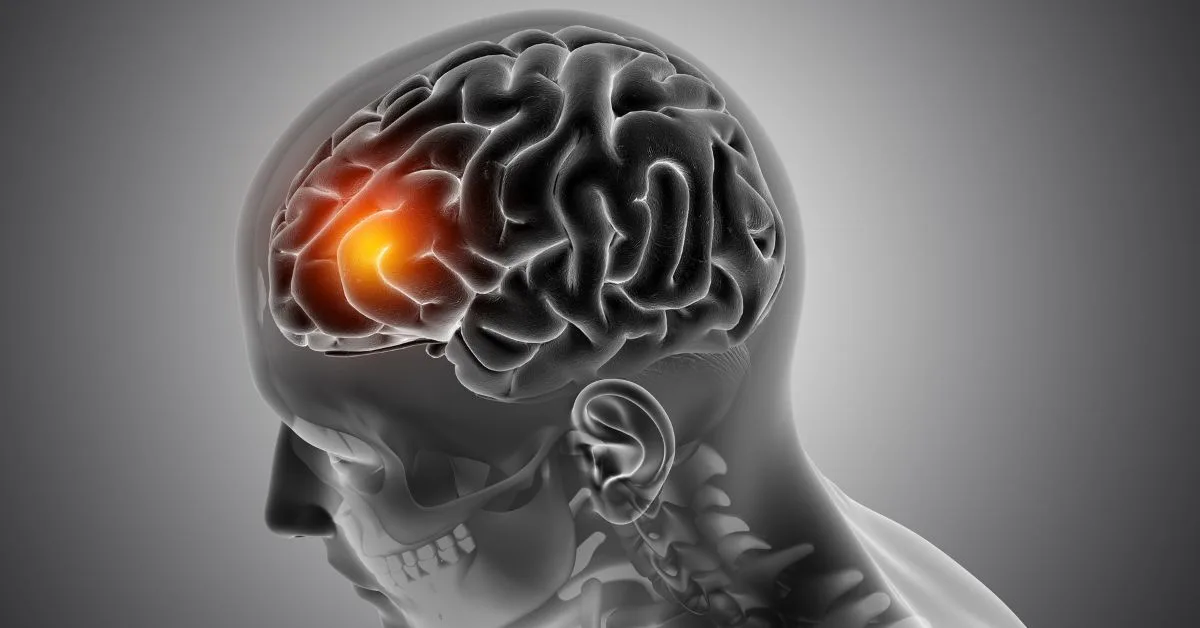
Let’s get clear: Post-Concussion Syndrome (PCS) is actually considered a mild traumatic brain injury (TBI), but don’t let the word “mild” fool you—its impact can be significant.
People who have had a concussion sometimes notice symptoms showing up hours or even days later, even if all the tests, like MRI or CT scans, come back looking normal.
About 15-20% end up dealing with PCS for weeks or months, with common symptoms like headaches, dizziness, brain fog, mood swings, and trouble sleeping.
The tricky part is, those subtle changes are often invisible yet deeply felt in everyday life.
Symptom Validation and Understanding
Feeling misunderstood or brushed off during Post-Concussion Syndrome (PCS) is an experience millions know all too well.
The truth? These symptoms are very real.
Everyone’s path looks a little different—and just “toughing it out” can actually slow down healing, so it’s okay to ask for help or take things slow.
Physical Symptoms
- Headaches—sometimes daily
- Nausea or dizziness
- Sensitivity to bright lights and loud noise
- Vision or balance issues
Emotional and Cognitive Symptoms
- Feeling irritable, anxious, or low
- Struggling to focus or remember things
- Tossing and turning at night
“Good days and ‘back-to-square-one’ days” are part of the ride—most people with PCS find their recovery isn’t always a straight line. That’s normal, and it’s okay.
Step-by-Step Recovery Guidance
The First Few Days
Give both your mind and body a genuine rest. Skip the screens, strenuous chores, and anything that demands heavy concentration. Surround yourself with comfort—quiet, calm, and maybe even a cozy blanket. Keep sipping water and reach for nourishing foods, since the brain’s healing is helped along by solid nutrition.
Gradual Return to Activity
Once you’ve taken it easy for a day or two, dip your toes back in with gentle movement. Maybe a short walk or some light stretching. Let yourself do a bit of work or study in chunks—start small and build up as you feel stronger. Switch activities every half hour to avoid getting overwhelmed or overtired.
Symptom Management
If you notice your symptoms flaring up, pause and take a breath. It’s your body’s way of steering you towards a slower pace. Try to keep a regular sleep routine; good sleep really matters for healing a concussion. Adding foods like fish, nuts, and seeds (which have protein and omega-3s) supports your brain’s recovery.
Medical Treatment Options
There’s no magic pill to make Post-Concussion Syndrome (PCS) vanish overnight, but there are solid medical strategies to tackle lingering symptoms. Treatments are often tailored for each person, so don’t worry if your plan looks a little different from someone else’s.
Symptom-Based Medication
Headaches
You might start with acetaminophen for headaches—after about a day, options like ibuprofen or naproxen can be safe, as long as your doctor says so. If the headaches are stubborn, prescription medications might be suggested (tricyclic antidepressants, triptans, or preventive meds like propranolol).
Nausea, Dizziness, and Vertigo
Feeling queasy or off-balance? Certain medications like promethazine or ondansetron can take the edge off, while vestibular therapists offer safe, gentle exercises to help your balance.
Sleep & Mood Troubles
If restless nights are a problem, some people benefit from special sleep aids or guided relaxation routines. Anxiety and mood swings may respond to antidepressants or even short-term counseling.
Physical, Occupational, and Cognitive Therapies
Physical therapists help you regain balance and ease neck or muscle pain. Occupational therapists make it easier to handle daily routines if memory or coordination is off. If you’re struggling to focus or remember, cognitive therapy provides brain exercises and helpful tricks. Speech therapists can offer ways to overcome language struggles.
Additional and Emerging Treatments
For headaches that just don’t quit, nerve blocks might help (performed by specialists). Some people are exploring biofeedback or neurotherapy, but these options aren’t mainstream yet. If your eyes feel “off,” vision experts have therapies to retrain and relax your gaze.
Cautions and Best Practices
Try not to rely too much on pain meds, especially NSAIDs, as they can cause rebound headaches over time. The most important thing to remember: there’s no one-size-fits-all approach. Every recovery plan should fit the person—not just the symptom list. When things feel complicated, getting a team of neurologists, therapists, or psychologists working together can really make a difference, especially if symptoms drag on.
Complete rest may eventually worsen, not help, symptoms—gradual return to activity, as tolerated, is key. — Dr. Heidi Blume, MD, MPH,
Lifestyle and Support Tips
Tackling Post-Concussion Syndrome (PCS) comes down to teamwork between medical care and everyday adjustments.
- Shorten your school or workdays and ask for any support or changes you need.
- Break tasks into smaller, less intimidating steps.
- Lean on friends, family, or a counselor; mental health is part of healing, too.
- Stress deserves TLC: meditation, deep breathing, soft music, or just relaxing in a favorite spot can help.
- Skip the alcohol and risky activities for now—the brain’s repair process takes time.
Concussion Rehabilitation Exercises
- Start with gentle movement (walking, cycling).
- Practice eye and visual exercises.
- Do balance drills, like standing on one foot or walking with gentle head turns.
- Stretch your neck muscles if they’re tight.
Go at your own pace—slow and steady wins this race! Take breaks if your symptoms bounce back, and then try again later.
Conclusion
Healing from Post-Concussion Syndrome (PCS) is rarely a straight path. Most people see meaningful improvement within a few weeks to a couple of months, especially when they’re proactive and supported. Building a supportive environment, using post-concussion recovery tips, and not hesitating to seek expert advice or treatment truly helps speed up your recovery and avoid setbacks.
For those seeking the most effective, personalized concussion care, Golden Maple Physiotherapy in Maple Ridge stands out as a leading clinic for expert concussion management and neuro rehab. Our experienced team guides you with advanced therapies and a caring approach—helping you reclaim your quality of life.
Start your journey to recovery today with Golden Maple Physiotherapy.
Key Takeaways
- Rest, staying hydrated, and a gradual return to activity are the backbone of concussion healing.
- Treatments matched to your specific symptoms—including medication and therapies—help manage challenges like headaches and fatigue.
- Natural choices, like fish oil or gentle movement, may give added support.
- Having family, friends, or a care team in your corner makes all the difference.
- While most recover within two months, needing more time or extra help is perfectly okay—never hesitate to reach out.
FAQ
How long does it take to recover from post-concussion syndrome?
Most people feel better in 2–3 months, but for some, symptoms linger a year or more.
Are there natural ways to recover from PCS?
Gentle movement, brain rest, foods rich in omega-3s, and acupuncture might help—but always check with your doctor first.
What are the best treatments for post-concussion syndrome (PCS)?
The best plan usually features rest, slow activity, focused therapy, and medications for specific symptoms.
How to manage headaches after post-concussion syndrome (PCS)?
Cool packs, a quiet break, putting hydration first, and doctor-approved medication all help. For severe headaches, ask your neurologist about specialized options.
Can concussion rehabilitation exercises speed up recovery?
Definitely! Light balance, vision, and movement exercises are proven tools—start gently and check in regularly with your therapy team.
Is it normal to have ups and downs during recovery?
Absolutely. Bumps in the road are part of healing, so show yourself kindness and keep following the plan.
Newsletter Updates
Enter your email address below and subscribe to our newsletter