Book Appointment Now
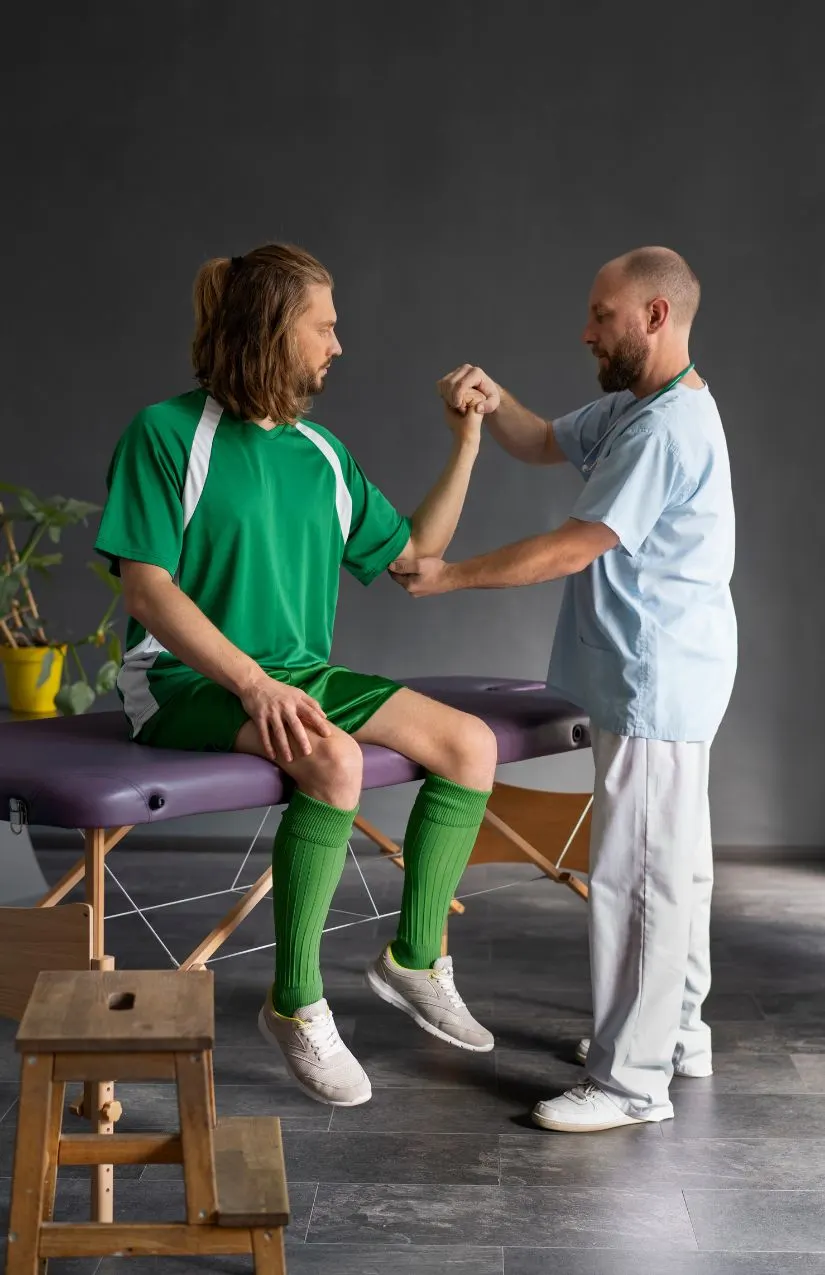
Understanding Stroke Rehabilitation: The Journey to Long-Term Recovery
Explore the stroke rehabilitation journey and how targeted therapy supports long-term recovery, independence, and improved quality of life.
- On
- Inblog
A stroke is a serious medical condition that occurs when the blood supply to a part of the brain is blocked (ischemic stroke) or when a blood vessel in the brain bursts (hemorrhagic stroke).
According to the World Health Organization (WHO), stroke is the second leading cause of death and a major cause of long-term disability worldwide.
After the acute treatment phase, many stroke survivors continue to experience long-lasting physical, cognitive, and emotional challenges.
This is why stroke rehabilitation, especially long-term rehabilitation, is critical to improving quality of life and functional independence.
What Happens During a Stroke?
The brain requires a constant supply of oxygen and nutrients carried by the blood to function. A stroke happens when:
A blood vessel becomes blocked by a clot (ischemic stroke – accounts for ~85% of strokes), or
A blood vessel bursts, causing bleeding in the brain (hemorrhagic stroke – ~15% of strokes).
Common Consequences of Stroke (Evidence from NIH and AHA):
Muscle weakness or paralysis, usually on one side of the body (hemiparesis)
Speech and language difficulties (aphasia)
Cognitive impairments, such as memory loss or attention deficits
Visual disturbances
Swallowing difficulties (dysphagia)
Emotional challenges, including depression and anxiety
What Is Stroke Rehabilitation?
The goal of stroke rehabilitation is to help individuals:
Restore lost physical, cognitive, and emotional functions
Achieve the highest level of independence possible
Prevent complications or further strokes
Evidence-Based Rehabilitation Approach (According to NICE Guidelines – 2013):
Early Assessment and Planning
Rehabilitation should start as early as possible after medical stabilization.
Each patient is assessed for physical, cognitive, and emotional needs.Individualized, Goal-Oriented Plan
Treatment is designed based on the patient’s personal needs and recovery goals.Multidisciplinary Team Care
Care is provided by a team of trained specialists:Physiotherapists
Occupational Therapists
Speech and Language Therapists
Clinical Psychologists
Medical Doctors and Nurses
Why Long-Term Rehabilitation Is Necessary
Research shows that recovery from a stroke can continue for months or even years after the event.
A 2017 review published in the Cochrane Database of Systematic Reviews confirms that continued rehabilitation improves functional outcomes and reduces disability
| Benefit | Supporting Evidence |
|---|---|
| Improved physical function (e.g., walking, hand control) | Evidence from clinical trials shows improved motor function with ongoing physiotherapy. |
| Enhanced communication and swallowing ability | Speech therapy shows significant improvement in aphasia and dysphagia outcomes. |
| Increased independence in daily activities | Occupational therapy enables patients to perform activities of daily living (ADLs) more effectively. |
| Better emotional health and quality of life | Psychological interventions reduce rates of post-stroke depression and anxiety. |
Without long-term stroke rehabilitation, many stroke survivors remain at risk of:
Permanent disability
Increased dependency on caregivers
Higher chance of recurrent stroke
Scientific Evidence and Clinical Guidelines
The National Institute for Health and Care Excellence (NICE, UK) recommends long-term rehabilitation plans that are patient-centered and regularly reviewed.
The American Heart Association (AHA) emphasizes early, intensive, and continuous rehabilitation to maximize recovery outcomes.
The Cochrane Database of Systematic Reviews highlights strong evidence that multidisciplinary stroke rehabilitation improves functional recovery.
Conclusion
Stroke Rehabilitation is a scientifically proven, structured process that plays a vital role in improving the quality of life for stroke survivors.
At Golden Maple Physiotherapy, we strongly believe in the power of evidence-based, personalized stroke rehabilitation to help people recover their independence, mobility, and confidence.
Our team of dedicated experts specializes in providing long-term stroke rehabilitation programs tailored to each individual’s needs.
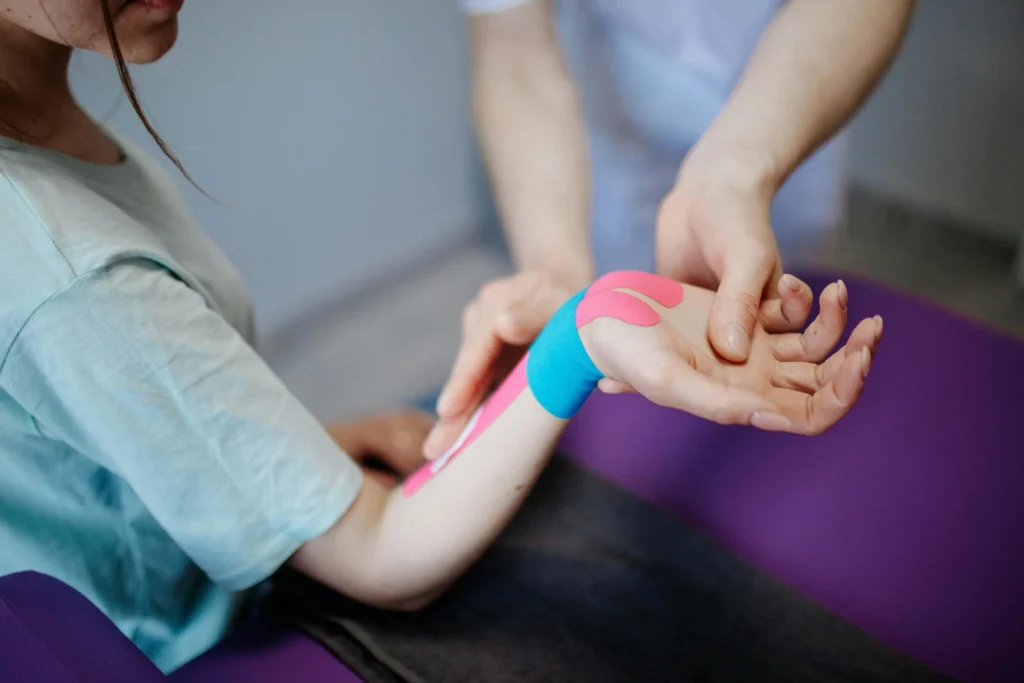
With a combination of physiotherapy, occupational therapy, speech therapy, and psychological support, Golden Maple Physiotherapy ensures that every patient receives the highest standard of care.
Investing in long-term stroke rehabilitation is not just about recovery – it’s about empowering people to live healthier, more independent lives.
Newsletter Updates
Enter your email address below and subscribe to our newsletter